Previously used as a private team canteen for an 1,000-person-strong work force, opening in September 2022, three years was too long for Black Sheep Restaurants to sit on a space primed for a more public use.
A quiet summer this year encouraged two of the group’s leading figures, namely operations manager Jonathan Leung and Ho Lee Fook chef ArChan Chan, to look within and create a project inspired by Hong Kong culture. Beyond the decade-old Ho Lee Fook, the group have rarely sought inspiration locally to build a concept.
Peng Leng Jeng opened in mid-June 2025, an ode to the childhood’s of Jonathan and ArChan in Hong Kong, dining with the family in Hong Kong’s open-air dai pai dongs. Alas, the wok hei and format of dining is a dying art.
The new pop-up restaurant, extended to Dec. 31, is not a dai pai dong, but a modern dai pai dong. This follows a trend of dai pai dong-style restaurants opening indoors as a way to treasure the heritage whilst shunning a government requirement to have the dai pai dong licences pass only through family lineage.
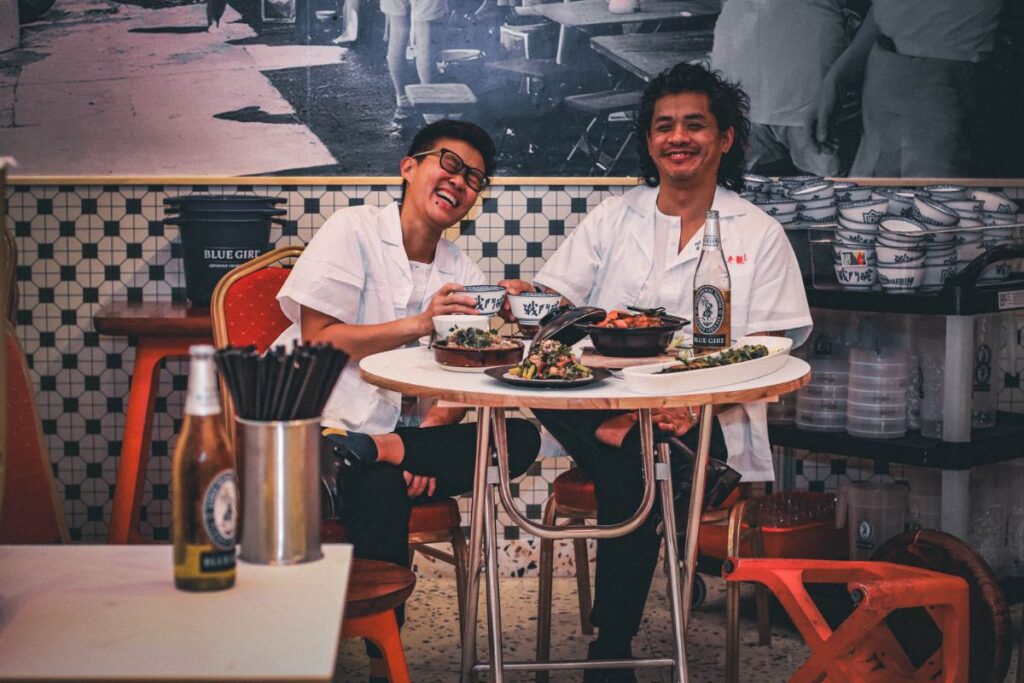
“ We are seeing fewer and fewer dai pai dongs operating in Hong Kong currently,” Jonathan bemoans. In a chat with Foodie, opening Peng Leng Jeng was a “why not” answer.
“When I came back to Hong Kong at 16 from Canada, I felt sadness walking around Yau Ma tei where I had grown up and seeing dai pai dongs empty and closed. This location in Central came along and [myself and ArChan] wanted to create something here.”
Where Hong Kong’s age-old dai pai dongs have cured a vibe through existing in a gritty street environment, Peng Leng Peng modernises the dai pai dong format with new dishes, Black Sheep-quality service, and more drinking options.
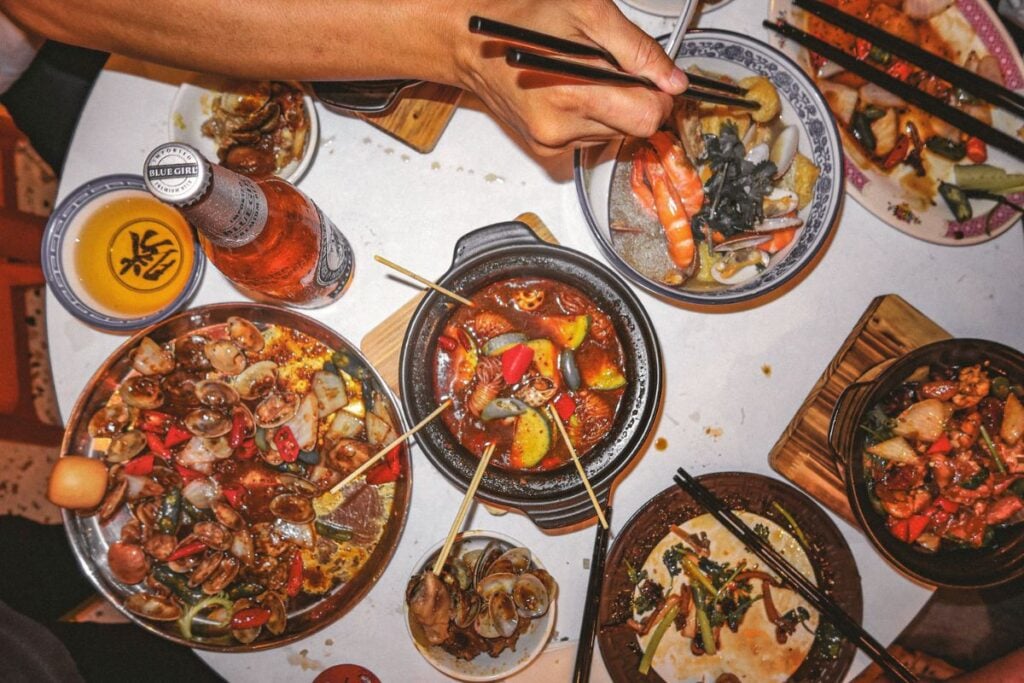
The menu consists of the classics, think beef & potato, stir fry king, typhoon shelter corn, salted fish fragrant eggplant, pork patty, and sweet & sour pork, but with a slight polish and top ingredients.
Italian, French, American, and Kiwi wines are shared on the drinks menu, alongside sake, soju, bottled beer for sharing, and five cocktails. It is typical for dai pai dongs to only stock a small collection of Hong Kong and international beers, including Blue Girl, Harbin Ice, San Miguel, and Heineken.
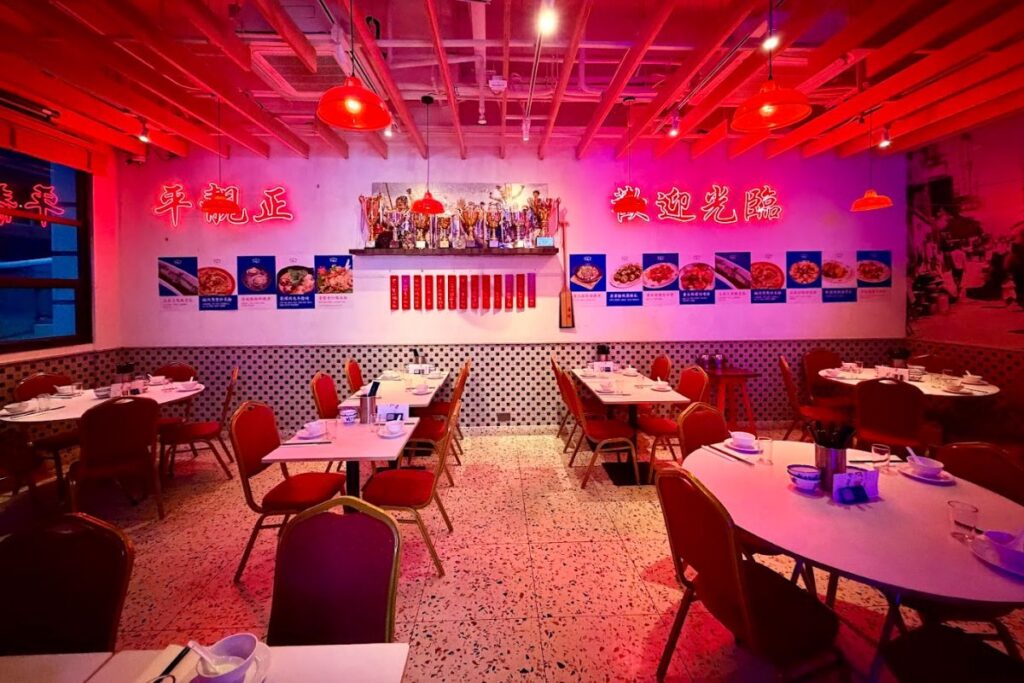
“There is a Black Sheep DNA in what we do at Peng Leng Jeng,” thus customers have expected a service standard above the more rushed version found in the classic joints. “If we can go above what the other places offer, I think we’ll win,” Jonathan states.
Equally, the location of Peng Leng Jeng in Central, once flush with dai pai dongs in the 20th century, but now only counting three, was essential for the storytelling of the pop-up restaurant.
“The younger generation can come to a more comfortable setting to experience this culture. Because if we do not sustain this culture, it will be lost. We are not reinventing the wheel, I just want to bring a part of me and my story to this dialogue.”
Running now for seven years across two locations in Hong Kong, Chorland was a catalyst in the modern dai pai dong movement that ultimately inspired Peng Leng Jeng’s birth this year.
Chorland currentyl operates in To Kwa Wan and Tsuen Wan, with their Shek Tong Tsui location closing earlier this year. Namely inspired by the frenetic and large Sha Tin-based Chan Kun Kee dai pai dong, the restaurant chain reminisces on the golden days of dai pai dongs on every Hong Kong street corner.
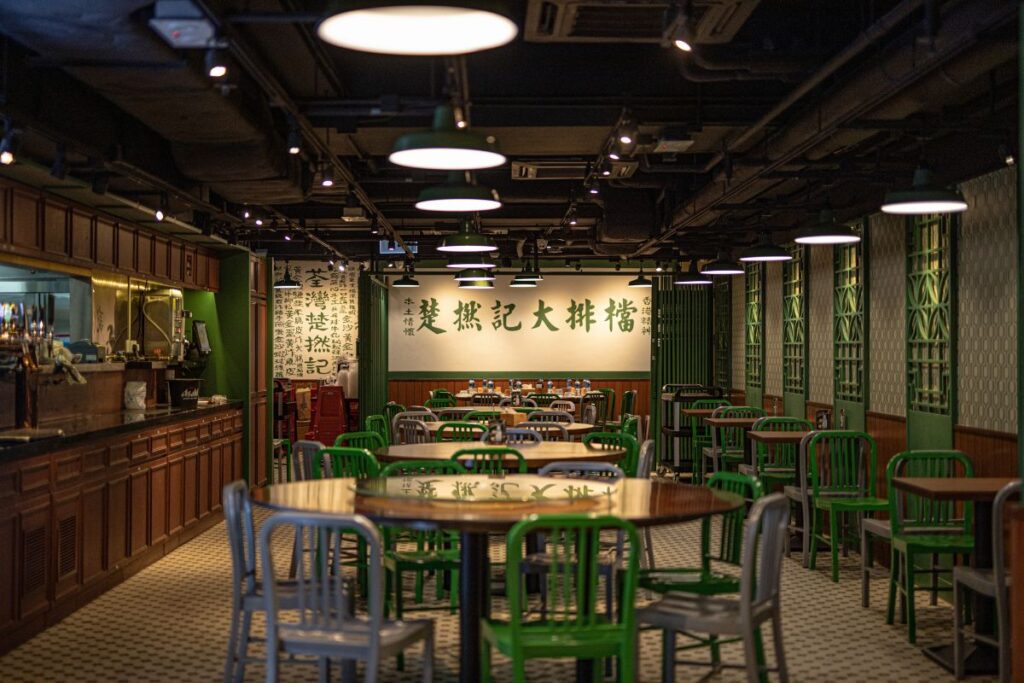
The interior design of the two restaurants is washed in green, a colour familiar with the painted dai pai dongs in the 1900s, and lit with neon lighting. Old-school Cantopop fills the air and speakers at night.
“As times change, customers have different demands for their dining experiences. We aim to pass down the culture of dai pai dong’s and believe that appropriate updates will help the new generation embrace and enjoy this culture,” explains Chorland marketing manager Eva Liu. To them, dai pai dong requires updating and modernising to constantly adapt to the ever-changing Hong Kong palate.
Such changes have come in the form of the dining environment, polished with good, speedy service, and the menu.
The classic sweet and sour pork dish is innovated with a caramelised typhoon-spiral candy topping and red and yellow pepper and fruit. “Our squid cakes are a classic dish, but by infusing them with black truffle flavor, we introduce a touch of innovation. Black truffle is rarely used in Chinese cuisine, and this innovative flavor can pleasantly surprise our customers,” Eva shares.
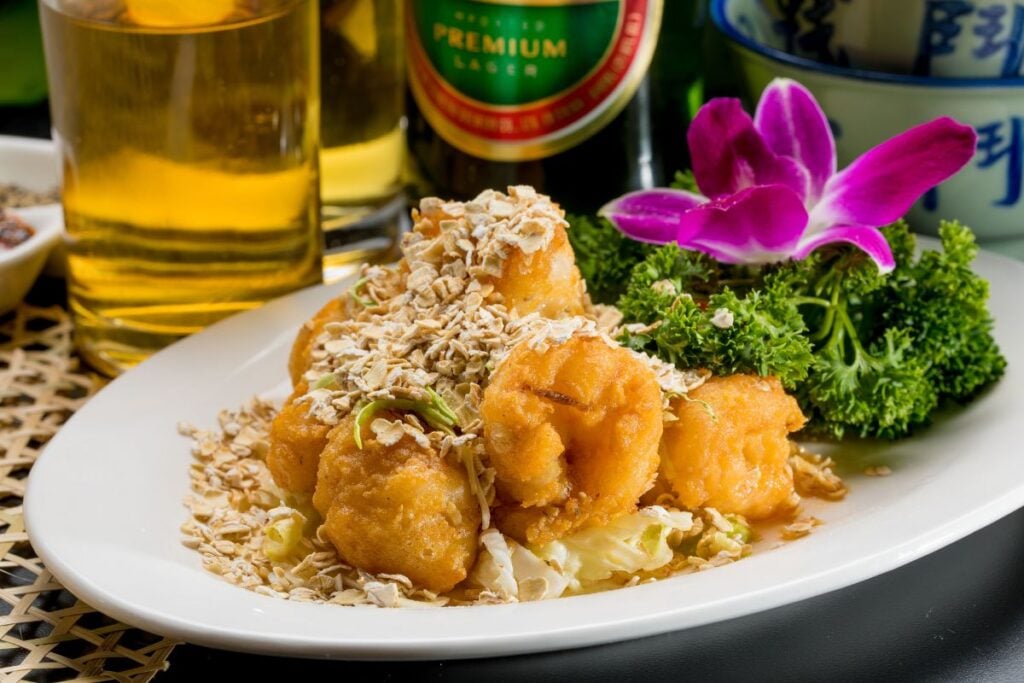
Over seven years operating Chorland, and as more indoor dai pai dong restaurants open to modernise yet cherish the traditions, Chorland’s operators speak of a balancing act between presenting what was and is loveable about the subcuisine, and how dai pai dongs can take shape in the future.
Co-founder Kay Chan notes that the restaurant’s locations in residential areas has allowed the chain to stay true to the traditions, where dai pai dong food was made by local people to local people.
And as service standards have constantly come into question in recent years, the chain has focussed on using queue and reservation systems, powered by restaurant operations platform inline, to run smooth operations.
“I find that customers generally have a high acceptance of the new style of dai pai dongs and are very willing to try new changes. Their support encourages us as we strive to strike a balance between experiencing Hong Kong’s traditional culture and embracing comfortable innovations.”
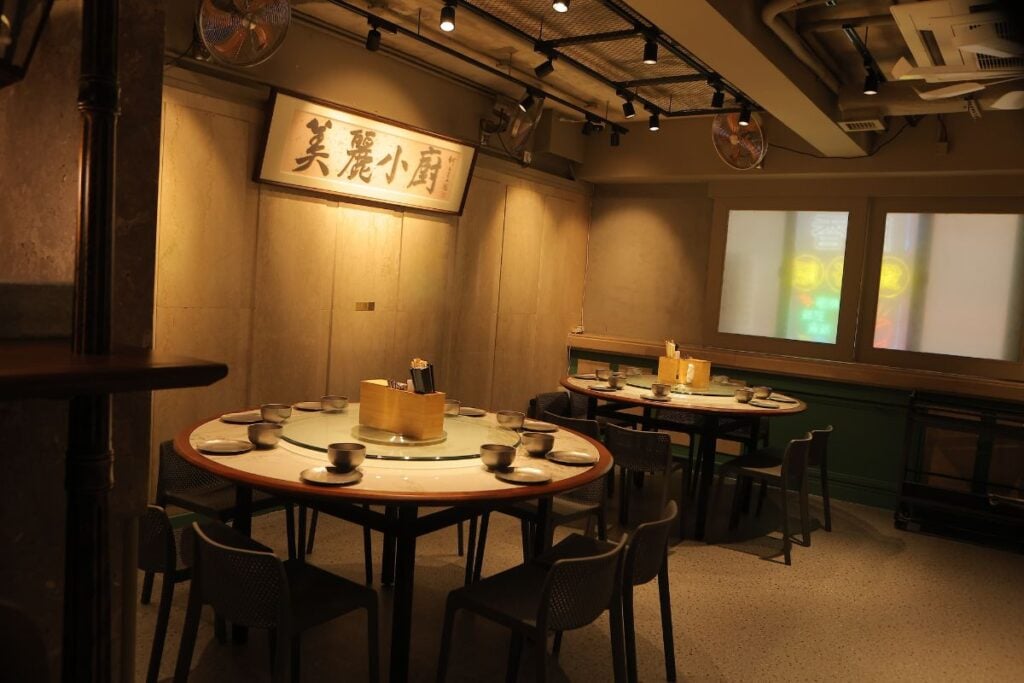
Another new dai pai dong restaurant supported by inline and modernising the subcuisine is Lai’s Kitchen, the latest creation of Nansen Lai, founder of Flower Drum, Fat J Cha Siu, and the former Jing Alley.
Opening in October, Lai’s Kitchen has already enjoyed grand success, seeing online queues stretch to one and a half hours on occasion. Diners are evidently hungry for Nansen’s modern and elevated rendition of a dai pai dong.
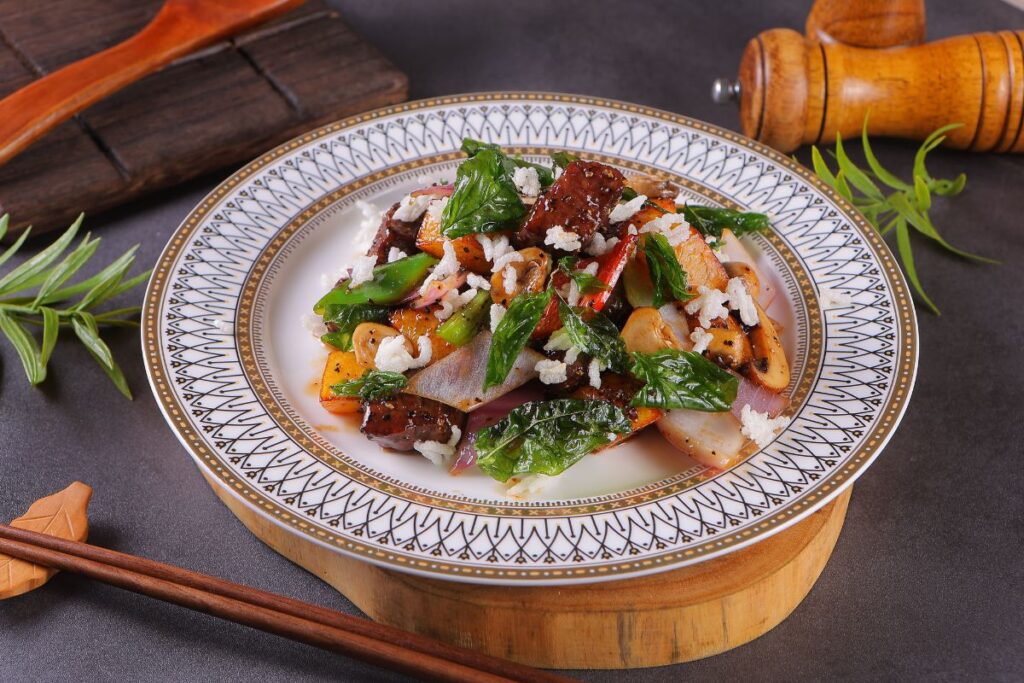
“I would like people to enjoy the style of dai pai dongs, but not the classic food of dai pai dongs,” Nansen shares. For the restaurateur, all 80 dishes on the menu have a grounding in the traditions, but use premium ingredients and recipes to entice diners.
Lai’s Kitchen uses fresh Hong Kong pork and beef, Ningxia lamb, and yellow chicken from Japan for its protein-heavy dishes, as opposed to other lesser tasty meats. Within their bo zai faan claypot rice section, dishes like the golden garlic crab, rose wine 55 sausage and foie gras, and abalone and preserved meat & chicken bring the concept into a luxury space, as opposed to your standard selection at a dai pai dong.
Nansen’s motive for bringing Lai’s Kitchen to the Hong Kong restaurant scene is two part: “ I want to use my skills and better ingredients to cook dai pai dong food, and bring healthier food for people to come and eat.”
As a modern dai pai dong, Nansen has also sought modern solutions for facilitating a better, modern guest experience. “I have worked with inline before with Flower Drum, so it made sense to use their systems [with Lai’s Kitchen].”
The restaurant uses inline’s kiosk queuing and online booking features to accept bookings and credit-card guarantees for groups, as well as assisting walk-in customers. “My staff only work nine hours a day, but inline works 24 hours a day so this makes organising the bookings easier for me.”
Walk-in and booked customers at Lai’s Kitchen receive their booking details and dining assistance through Lai’s Kitchen’s WhatsApp, seamlessly integrated via inline.
Whether inline, increased service standards, premium ingredients sourced at home and globally, and nostalgic and posh interiors, Hong Kong’s newest trend of the modern dai pai dongs is just getting started.
With government restrictions making it near impossible for new entrants into the field to open up a real street-side dai pai dong, the subcuisine is moving indoors and reestablishing a new style for the future.